
Time Blocking Too Rigid, To-Do Lists Too Flexible? Try This Game-Changing Approach
The Ivy Lee method solves the impracticality of time blocking and the chaos of to-do lists

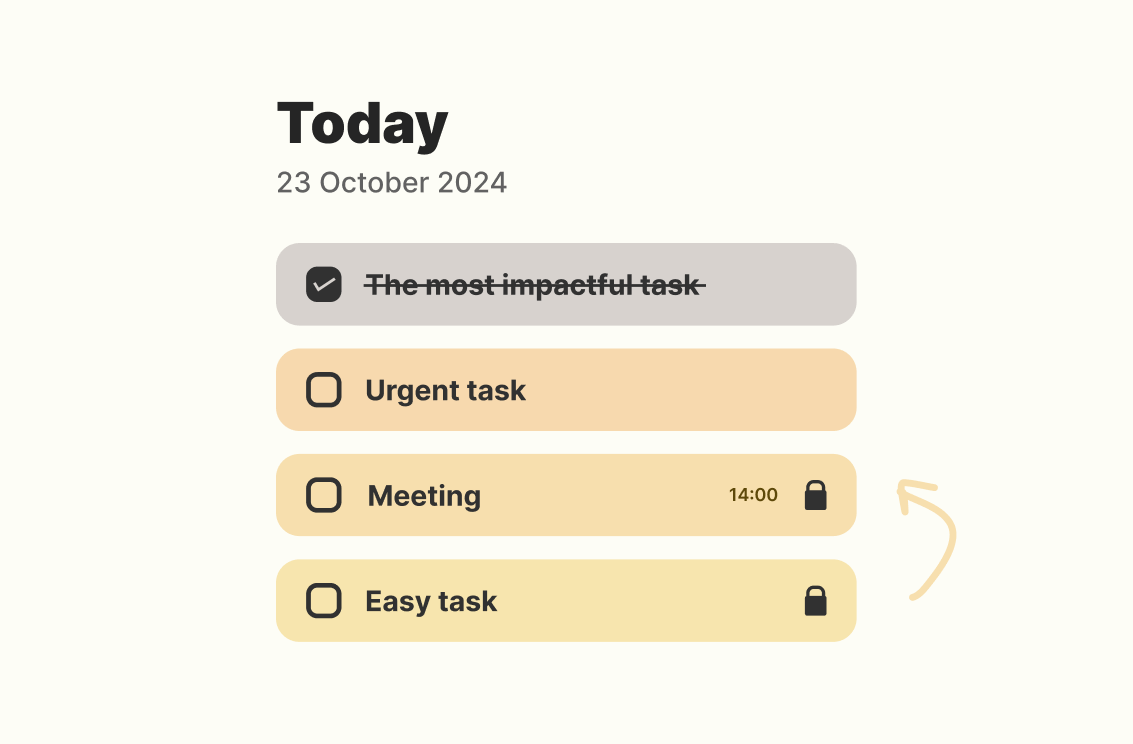
I first learned about time blocking from Thomas Frank's video. We’ve all experienced it to some extent—schools schedule this way, and most of us have played around with a “time-table” at home. But this time, I wanted to take it seriously.
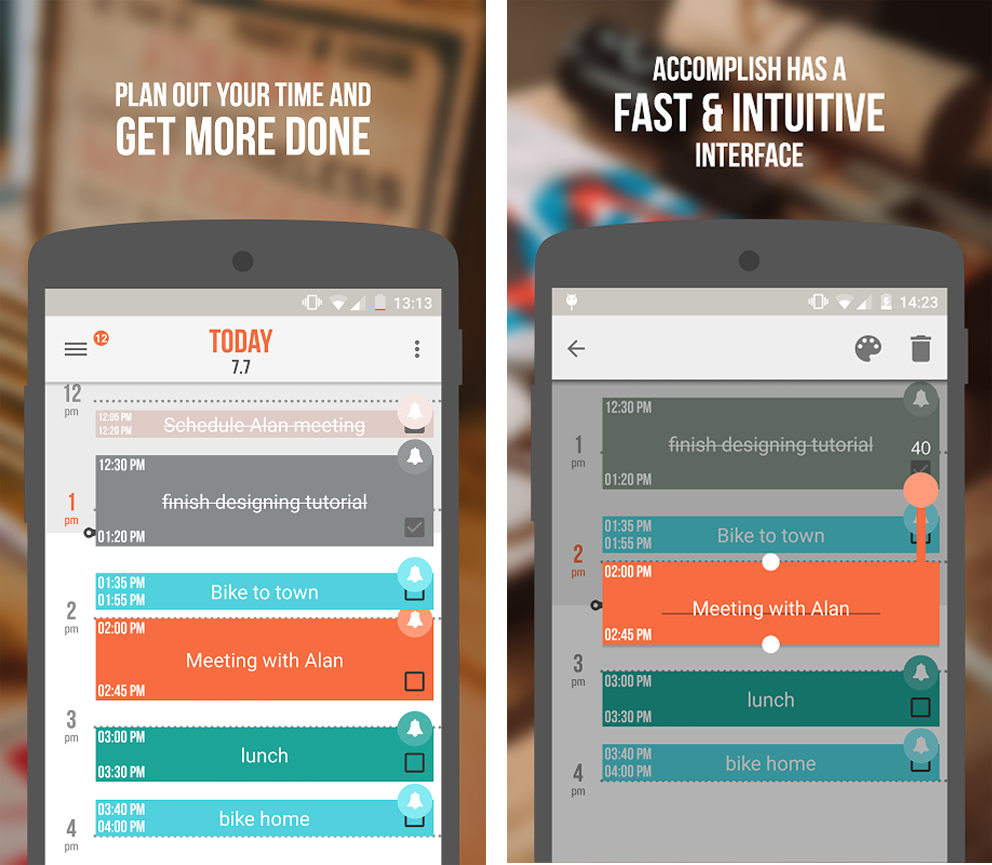
I experimented with different versions, using Google Calendar, TickTick, and my most successful run was on an app called Accomplish Calendar. Why it worked better is a curious question, but it’s not the crux of my struggle.
After years of trying, I noticed something strange. I became increasingly hesitant to schedule my days on a calendar. I had to push myself to organize my to-dos, make them time-bound, and stick to them, all while reminding myself, "plans are nothing; planning is everything."
I had to keep rescheduling because, let’s face it, no day goes entirely according to plan.
Even though I knew uncertainty was a fact, I still felt discouraged. I later realized that this method was counterproductive for me.
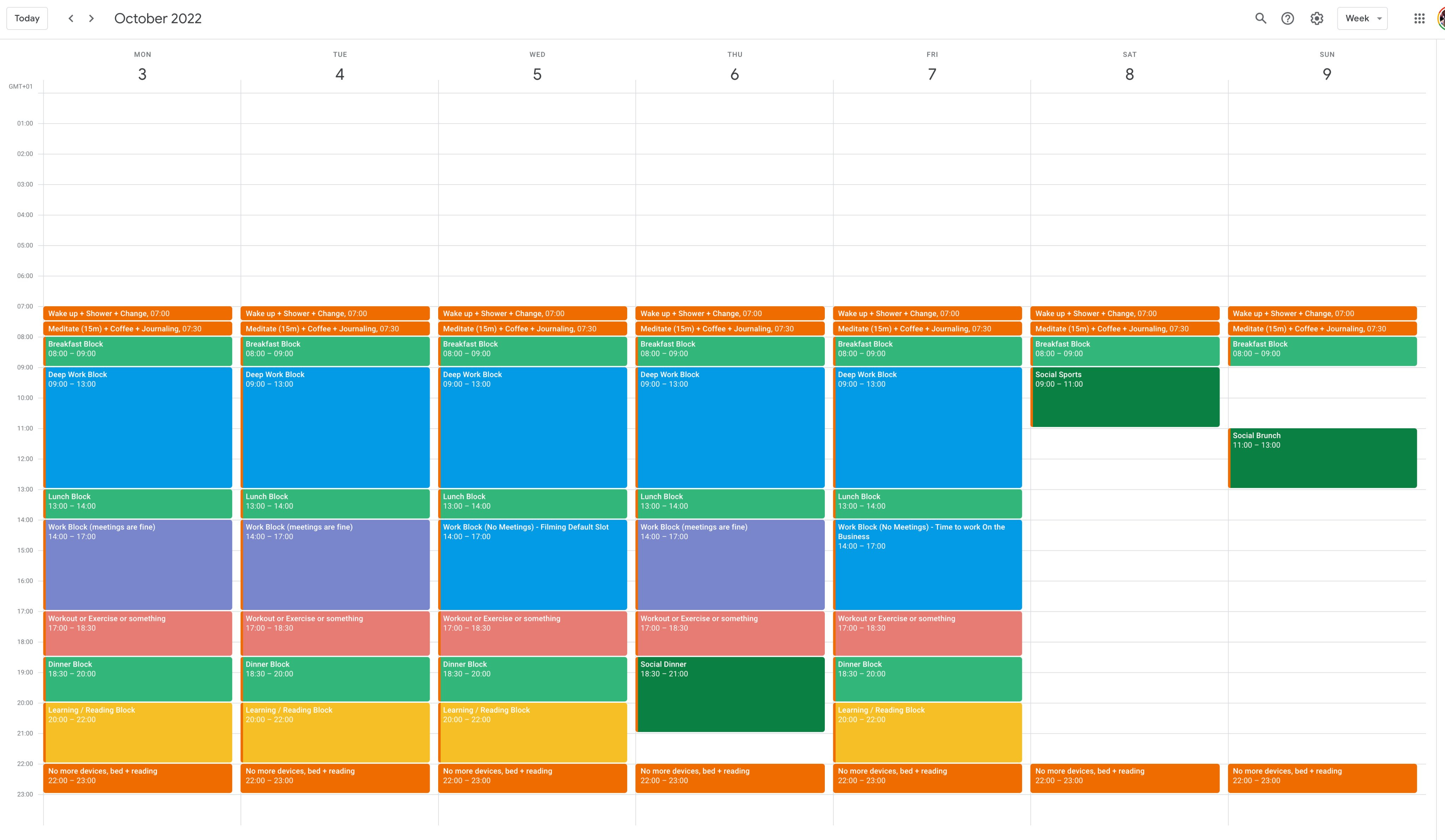
Problems with time-boxing
For people with packed schedules full of meetings and time-bound activities, time blocking makes sense—they don’t have a choice. A meeting with Lex at 3 p.m. isn’t something you can move on a whim. But for those without rigid schedules, or who only occasionally have time-specific tasks, relying on a calendar to guide the day becomes impractical. Here’s why:
First off, tasks often take more time than expected, and the details of what might come up are rarely predictable. You think you’ll "wash the car at 9 a.m.," but then wake up to find you have no car-washing supplies. You go to buy them, but they’re out of stock. Dependencies crop up that you hadn’t considered. Your main task is tied to another, which is tied to another, and so on.
Secondly, life happens. You plan to code peacefully at 6 p.m., and suddenly, guests show up.
Thirdly, your energy levels—both mental and physical—aren’t accounted for in rigid schedules. No matter how much we tell ourselves, "don’t let your mood dictate your actions," it’s a fact that when we’re drained, things require more effort. Focus wanes, distractions creep in. It’s not as simple as "just do it."
Fourth, and this point can’t be understated—Cal Newport's idea of deep work and the focus required for quality output. Work is messy, unpredictable, and cognitively demanding tasks often take longer to get into than expected. It might take half an hour just to start. You can’t command your mind to focus on cue. It’s best for quality work to lose track of time, to get immersed. Yet with time-blocking, just as you're in the zone, a notification pops up—“Go meet Rusky”—and shatters the potential of the moment.
I also tried a method where I’d only schedule the starting time of a task, not the ending time. It was more realistic, but still faced many of the same problems.
Problems with just a to-do list
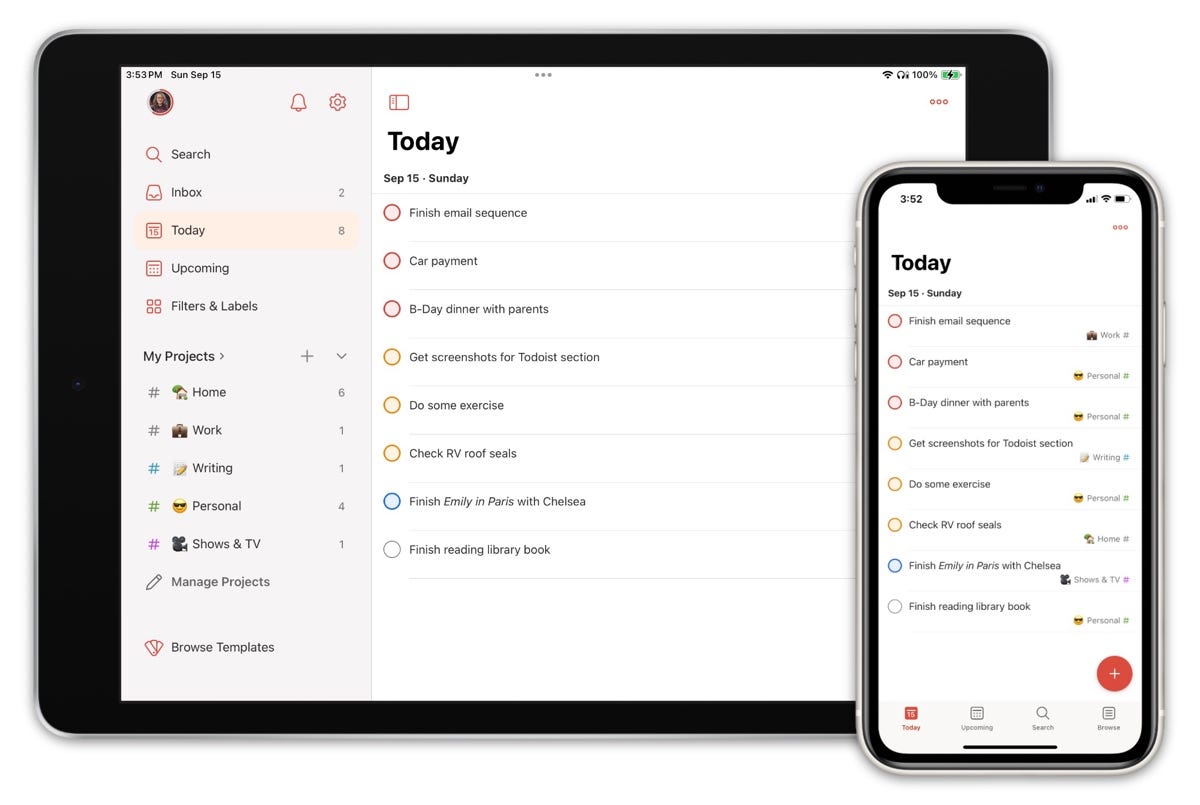
Over time, I switched to using a simple to-do list. Here’s what I noticed:
I’d write down tomorrow’s tasks the night before. I’d ‘scan’ the the list in the morning but end up completing nothing—except for easy ones like "meditate," just to feel like I’d done something. By the end of the day, a few tasks would be crossed off, but the important ones? Pushed to tomorrow. I was tricking myself. The easy tasks took priority because they were, well, easy. But I can’t fool myself that easily (nice try though, me!).
Another issue with a to-do list, which didn’t exist with time blocking, was indecisiveness. With time blocking, you know exactly which task comes first. With a to-do list of seven tasks, it’s not always clear which one to tackle first. I’d often go for the easy ones, leaving the impactful tasks for later, only to reschedule them again.
I tried assigning fewer tasks per day, but that didn’t solve the problem either. First, I ended up with too few spots for minor but important tasks like "buy a new charger." Second, when all tasks seemed equally important, I’d freeze, unable to decide, and ultimately procrastinate the decision.
My planning systems were either too rigid or too flexible, and I thought the problem was me, not the system. I was wrong.
The Ivy Lee method
Enter the Ivy Lee Method—a to-do list system that eliminates the pitfalls of rescheduling important tasks, decision paralysis, while still accommodating time-bound tasks like meetings.
Here’s how it works:
Write a list of tasks you want to complete tomorrow. Keep it short and realistic.
Prioritize these tasks based on impact—the most impactful task goes at the top. “Impact” refers to long-term benefit. For example, if you’re aiming to become a video editor, “Watch the last lecture of the editing course” would be more impactful than “Complete your Philosophy assignment,” which in turn is more impactful than “Buy a new charger.”
A good rule of thumb: tasks that require more time and effort often have more impact. The exact content of what’s impactful will vary from person to person.
Now, add urgency to the mix. A deadline for an assignment might be tomorrow, making it a high-priority task. So, ‘priority’ is a combination of impact and urgency.
You now have a list of tasks ordered by priority, but you’ll need to account for any time-bound tasks as well.
Let’s say you have a meeting with Vij at 2 p.m. tomorrow. How many high-impact or urgent tasks can you complete before then? If your priority list looks like this:
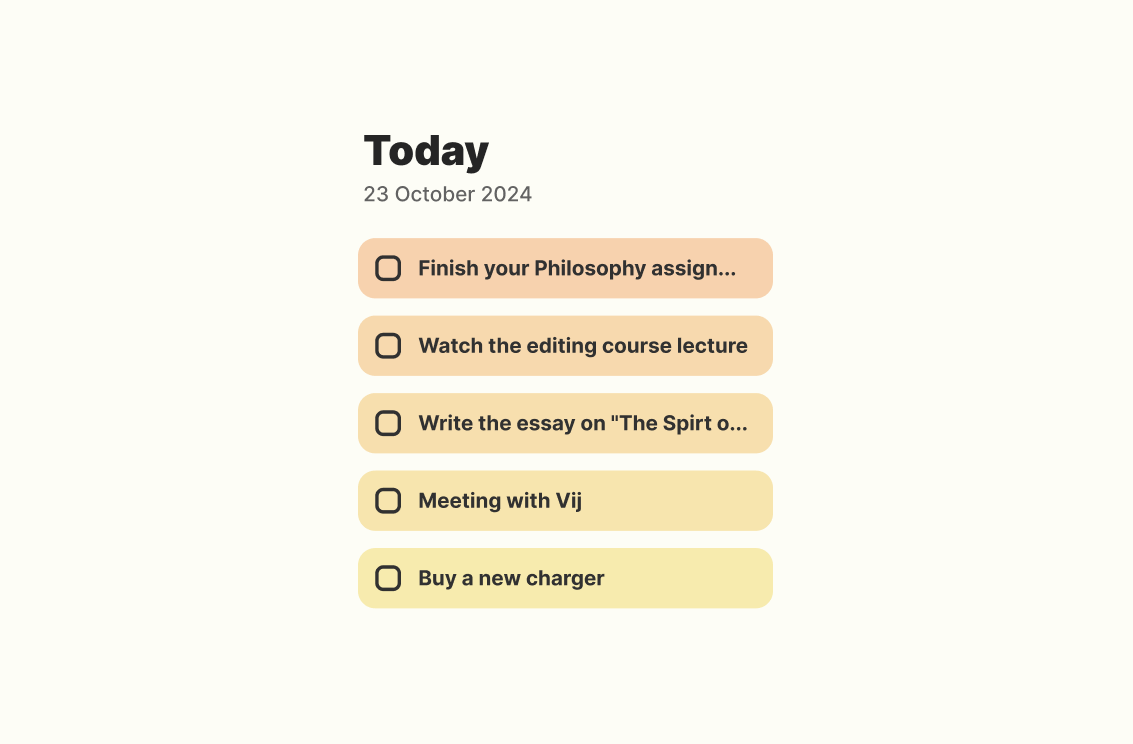
Can you finish the first two tasks before 2 p.m.? If you can, adjust the order—move the meeting to task three. If the philosophy assignment takes longer than expected, you’ll have to cancel the video editing task for today.
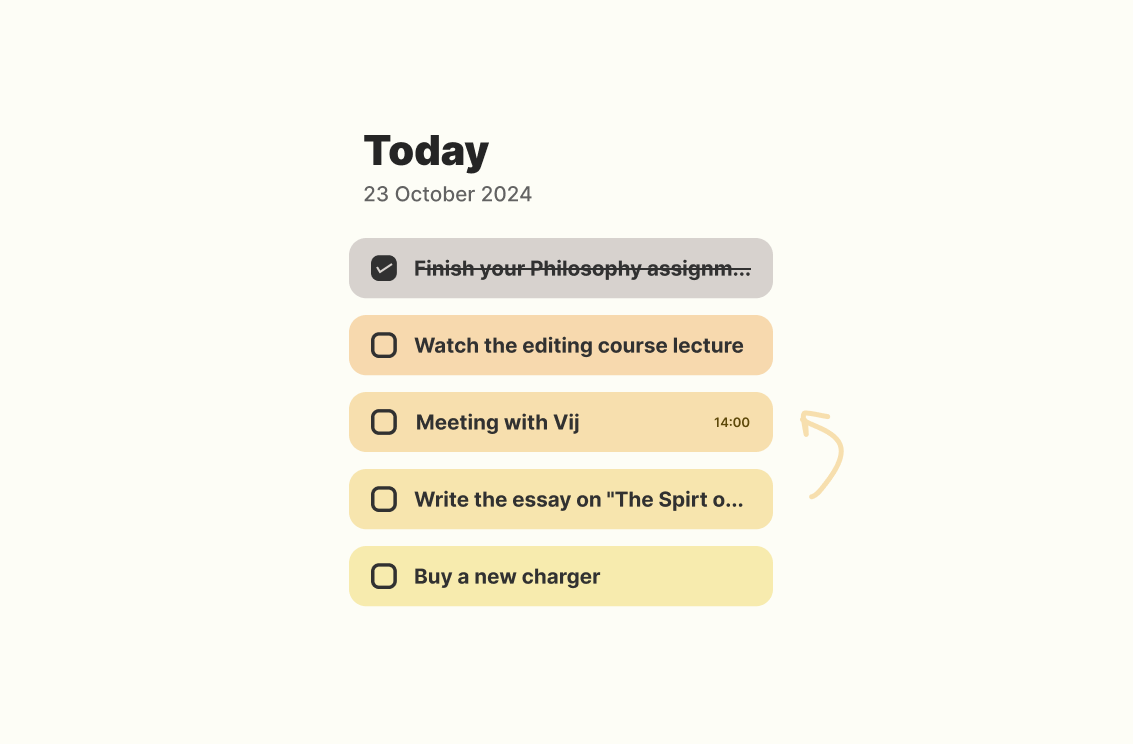
At the heart of this method is a crucial rule: you must complete each task in the order of priority, meaning you can’t start task 2 until task 1 is either fully finished or cancelled.
At the end of the day, any incomplete or cancelled tasks get moved to tomorrow’s list, prioritized again alongside new tasks.
Two key notes:
You don’t have to explicitly decide when a task is ‘complete.’ You can focus on the time spent instead. For example, you can phrase it as “write more of the article” rather than “write 1,500 words.” Forty-five to ninety minutes of focused work can be considered a success.
You can spend time on a task, decide it’s going nowhere, and cancel it.
This method is brilliant for several reasons
You won’t keep procrastinating by knocking off easy tasks. The more important tasks will usually be done first.
To access the easier tasks, you must either finish the high-priority ones or cancel them for the day. This forces you to face the decision early, making it harder to avoid responsibility. In turn, this usually pushes you to complete the important tasks, rather than doing nothing at all—which is unlikely to happen.
Decision paralysis disappears—you know what to do next. It’s either do or cancel.
Deep work is possible without rigid time constraints. Spend as long as needed on a task.
No explicit start times for tasks, so you can work when you’re ready. Yet the system’s design pushes you to execute without time-blocking anxiety.
Now you get the best of both worlds: the structure of time-blocking and the flexibility of a to-do list.